
Can I Eat This?
Sourced from FSANZShowing 48 of 48 foods

Hard cheese
Why? Hard cheeses such as cheddar, parmesan and edam are considered safer choices during pregnancy.
Safer choice / tip: Choose pasteurised products and keep refrigerated.
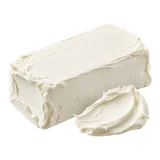
Cream cheese
Why? Pasteurised cream cheese is considered a safer option.
Safer choice / tip: Keep refrigerated and follow the use-by date and storage instructions.

Yoghurt
Why? Pasteurised yoghurt is a nutritious source of calcium and protein.
Safer choice / tip: Choose pasteurised products and keep refrigerated.
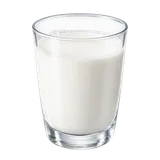
Milk
Why? Pasteurised milk is safe to consume during pregnancy.
Safer choice / tip: Avoid raw or unpasteurised milk.

Hard-frozen ice cream
Why? Packaged hard-frozen ice cream and gelato are safer choices.
Safer choice / tip: Keep frozen and follow storage instructions.
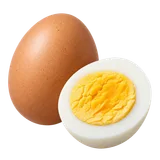
Eggs — fully cooked
Why? Thoroughly cooked eggs are a nutritious source of protein and other nutrients.
Safer choice / tip: Cook until both the white and yolk are firm.

Commercial mayonnaise
Why? Commercial mayonnaise is generally made using treated ingredients and is considered a safer choice when stored correctly.
Safer choice / tip: Refrigerate after opening and follow the label instructions.
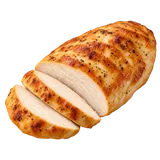
Chicken — freshly cooked
Why? Freshly cooked chicken is safe when thoroughly cooked.
Safer choice / tip: Cook poultry thoroughly and eat while hot.
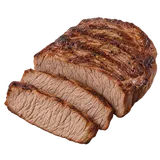
Beef — well cooked
Why? Thoroughly cooked beef can be safely eaten during pregnancy.
Safer choice / tip: Take extra care with minced or rolled meat, which should be thoroughly cooked.
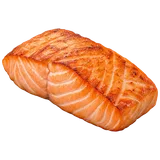
Fresh salmon
Why? Salmon provides protein and omega-3 fatty acids and can be part of a healthy pregnancy diet.
Safer choice / tip: Choose freshly cooked salmon and vary the types of fish you eat.
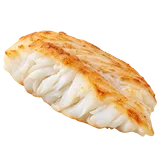
Fish — most other types
Why? Most fish and seafood can be part of a healthy pregnancy diet.
Safer choice / tip: Aim for 2–3 serves per week of suitable fish and seafood and vary your choices.
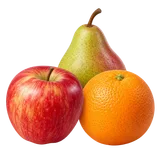
Fresh whole fruit
Why? Fresh fruit is an important part of a varied pregnancy diet.
Safer choice / tip: Wash fruit thoroughly under running water before eating.
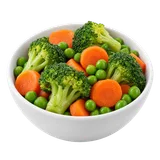
Cooked vegetables
Why? Vegetables provide important vitamins, minerals and fibre during pregnancy.
Safer choice / tip: Wash fresh produce thoroughly before preparation.
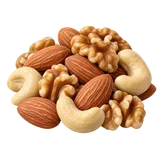
Nuts
Why? Nuts are nutritious and do not need to be avoided unless you have an allergy or have been advised otherwise.
Safer choice / tip: Choose unsalted varieties where possible.
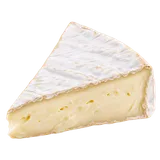
Brie
Why? Soft and surface-ripened cheeses can support Listeria growth.
Safer choice / tip: Choose a safer alternative or cook thoroughly to 75°C and eat straight away.
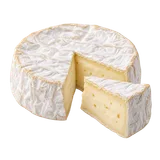
Camembert
Why? Camembert is a soft surface-ripened cheese and can carry Listeria.
Safer choice / tip: Eat only if thoroughly cooked to 75°C and consumed immediately, or choose a safer cheese.
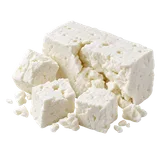
Feta
Why? Feta is listed among soft and semi-soft cheeses requiring extra care.
Safer choice / tip: Choose a safer alternative or cook thoroughly to 75°C.
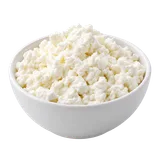
Ricotta
Why? Ricotta is a higher-risk soft cheese when eaten ready-to-eat.
Safer choice / tip: Choose a safer alternative or use it in a dish cooked thoroughly to 75°C.
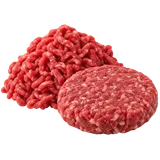
Mince and burgers
Why? Minced and rolled meats have a greater surface area where bacteria can be present.
Safer choice / tip: Cook thoroughly, particularly in the centre.
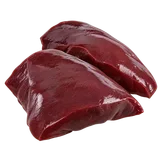
Liver
Why? Liver contains high levels of preformed vitamin A (retinol), which can be harmful in excess during pregnancy.
Safer choice / tip: Avoid liver and liver products unless your health professional advises otherwise.
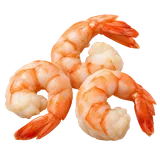
Cooked prawns
Why? Freshly cooked seafood is safer than chilled ready-to-eat seafood.
Safer choice / tip: Eat freshly cooked or thoroughly reheat until steaming hot.
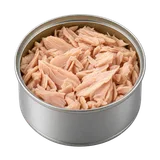
Tuna
Why? Fish can be part of a healthy pregnancy diet, but fish choices and frequency matter because of mercury exposure.
Safer choice / tip: Follow Australian fish-consumption advice and vary your fish choices.
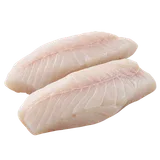
Shark / flake
Why? Shark can contain higher levels of mercury.
Safer choice / tip: Have no more than one serve per fortnight and no other fish during that period.
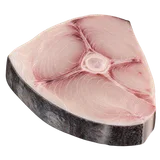
Swordfish / broadbill / marlin
Why? These large predatory fish can contain higher mercury levels.
Safer choice / tip: Have no more than one serve per fortnight and no other fish during that period.
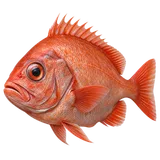
Orange roughy / deep sea perch
Why? Orange roughy can contain higher mercury levels.
Safer choice / tip: Have no more than one serve per week and no other fish during that week.

Chocolate
Why? Chocolate contains caffeine, which contributes to your daily total.
Safer choice / tip: Include chocolate as part of a varied diet and keep total caffeine to 200 mg or less per day.
Unpasteurised milk
Why? Unpasteurised milk may contain harmful bacteria, including Listeria.
Safer choice / tip: Choose pasteurised milk instead.

Soft-serve ice cream
Why? Soft-serve machines can allow Listeria to grow if hygiene and temperature controls are inadequate.
Safer choice / tip: Choose packaged hard-frozen ice cream or gelato instead.
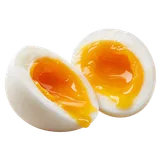
Runny eggs
Why? Raw or lightly cooked eggs can carry Salmonella.
Safer choice / tip: Choose eggs cooked until the yolk and white are firm.
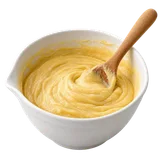
Raw cake batter
Why? Raw egg and flour can carry harmful microorganisms.
Safer choice / tip: Wait for the baked product rather than tasting raw batter.
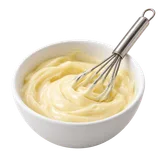
Homemade mayonnaise
Why? Homemade mayonnaise and aioli may contain raw egg.
Safer choice / tip: Choose a commercial product instead, or use pasteurised egg.
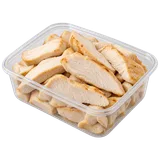
Cold cooked chicken
Why? Cold ready-to-eat chicken can carry Listeria.
Safer choice / tip: Choose freshly cooked chicken or thoroughly reheat until steaming hot.
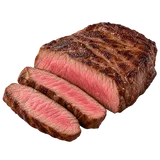
Rare steak
Why? Raw or undercooked meat can carry bacteria and parasites.
Safer choice / tip: Choose meat cooked thoroughly rather than rare.
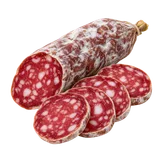
Salami
Why? Cold ready-to-eat deli meats can carry Listeria.
Safer choice / tip: If eaten, heat until steaming hot and eat immediately.
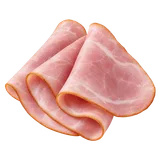
Ham
Why? Cold deli meats can carry Listeria.
Safer choice / tip: Choose freshly cooked meat or thoroughly reheat ham until steaming hot.
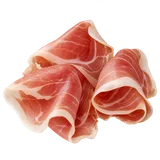
Prosciutto
Why? Cold cured meats are higher-risk ready-to-eat foods.
Safer choice / tip: Cook thoroughly and eat immediately if you choose to include it.
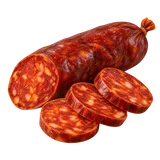
Chorizo
Why? Cold cured meats can carry Listeria.
Safer choice / tip: Cook thoroughly before eating.
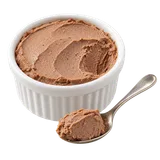
Pâté
Why? Refrigerated pâté and meat spreads are higher-risk foods for Listeria.
Safer choice / tip: Choose a canned or shelf-stable alternative if appropriate.
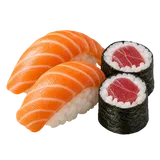
Raw sushi
Why? Raw ready-to-eat seafood has a higher risk of Listeria and other foodborne illness.
Safer choice / tip: Choose cooked fillings and freshly prepared options instead.
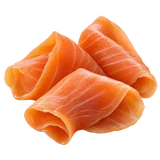
Smoked salmon
Why? Chilled ready-to-eat smoked seafood is a higher-risk food for Listeria.
Safer choice / tip: Choose thoroughly cooked salmon instead.
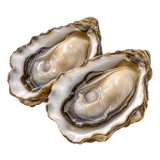
Oysters
Why? Raw oysters can carry harmful microorganisms.
Safer choice / tip: Choose thoroughly cooked oysters instead.
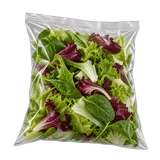
Bagged salad
Why? Pre-prepared and pre-packaged salads can carry Listeria.
Safer choice / tip: Prepare salad freshly at home using thoroughly washed produce.
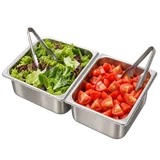
Salad bar
Why? Ready-to-eat salads from salad bars and buffets can carry Listeria.
Safer choice / tip: Choose freshly prepared food instead.
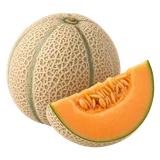
Rockmelon
Why? Rockmelon has been associated with Listeria contamination.
Safer choice / tip: Choose other freshly washed fruit instead.
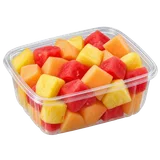
Pre-cut fruit
Why? Pre-prepared fruit can carry Listeria.
Safer choice / tip: Cut and prepare fruit yourself shortly before eating.
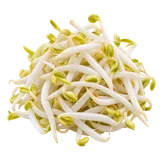
Raw sprouts
Why? Raw or lightly cooked sprouts can carry Salmonella and other bacteria.
Safer choice / tip: Only eat sprouts that have been thoroughly cooked.
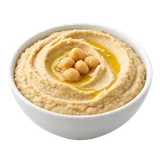
Hummus
Why? Store-bought hummus can be a higher-risk ready-to-eat food and tahini products may carry Salmonella.
Safer choice / tip: Choose a safer alternative or prepare and consume freshly with good food hygiene.
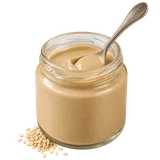
Tahini
Why? Sesame products such as tahini have been associated with Salmonella risk.
Safer choice / tip: Avoid during pregnancy or ask your health professional about suitable alternatives.